
Color Removal and Sludge Reduction in Southeast Asian Textile Wastewater: PAC, PFS and Anionic PAM Selection Guide
ON
Textile and dyeing industries remain economic pillars in Thailand, Vietnam, and Indonesia. From dyeing mills in Bangkok's outskirts to garment production clusters in Ho Chi Minh City and batik and fabric manufacturing zones across Java, these facilities generate large volumes of highly colored wastewater every day. As environmental enforcement intensifies across Southeast Asia, textile wastewater treatment has moved from a compliance formality to a serious operational priority.
Dyeing wastewater presents a particularly difficult combination: intense color, fluctuating COD, high salinity, variable pH, and a mix of soluble and dispersed dyes. On top of that, conventional coagulation processes often generate large volumes of sludge that is expensive to dewater and dispose of.
Selecting the right combination of Poly Aluminium Chloride (PAC), Polyferric Sulfate (PFS), and Anionic Polyacrylamide (Anionic PAM) can dramatically improve color removal stability while reducing sludge volume and total treatment cost. This guide explains how.
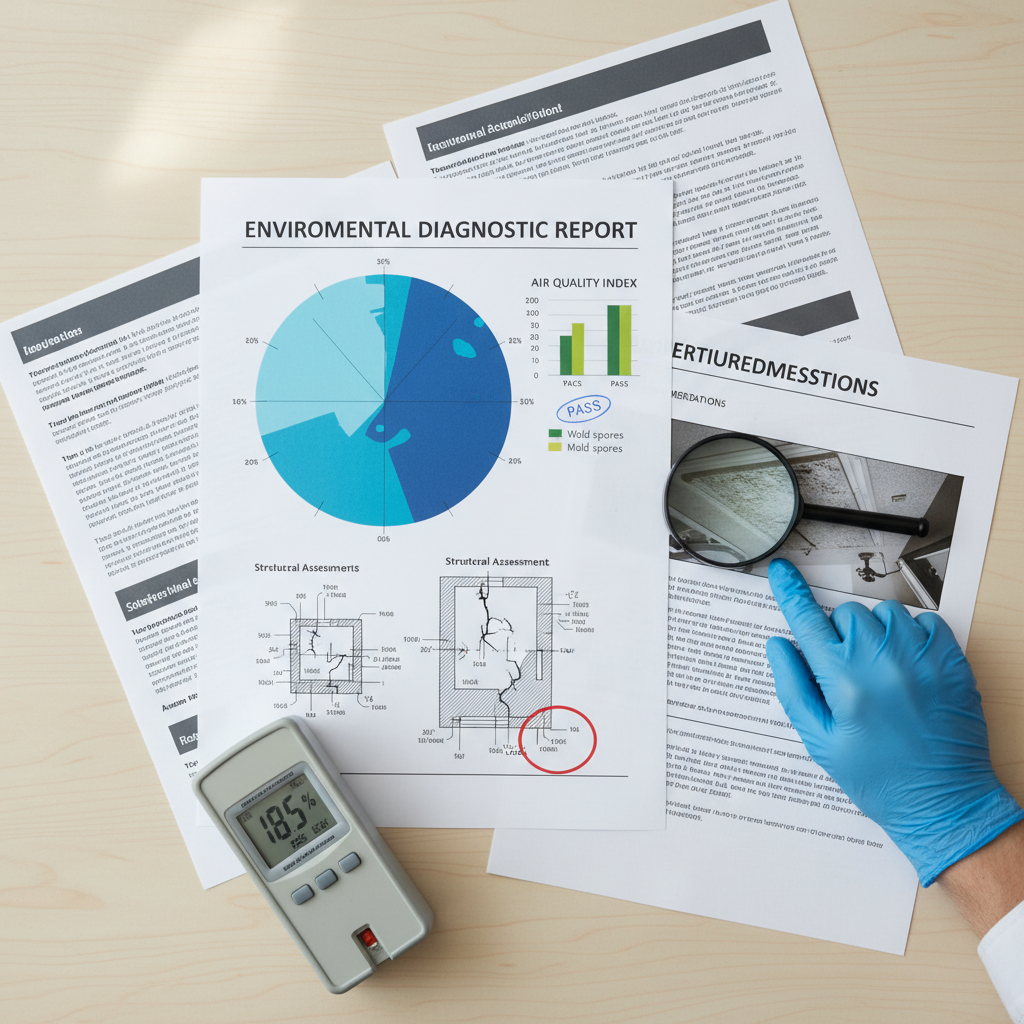
Why Decolorization Is Easy, but Stable Compliance Is Hard
Many textile wastewater operators share the same frustration: color removal works well during a jar test or on a good production day, but effluent quality becomes unstable in daily operation. There are several reasons for this.
Dye variety changes constantly. A single dyeing mill may use reactive dyes, disperse dyes, acid dyes, direct dyes, and vat dyes depending on fabric type and customer orders. Each dye class has different molecular structure, charge characteristics, and solubility. A coagulant dosage optimized for one batch may fail completely on the next.
COD and color load fluctuate with production schedules. Dye bath dumps, machine cleaning cycles, and desizing operations create sudden spikes in organic load and color intensity. Fixed chemical dosing cannot track these swings.
High salinity interferes with coagulation. Reactive dyeing consumes large amounts of salt, and the resulting wastewater can contain high sodium chloride and sodium sulfate concentrations. Elevated ionic strength changes coagulation behavior and floc formation compared with fresh water conditions.
Soluble dyes resist conventional coagulation. Highly soluble reactive dyes, especially hydrolyzed reactive dyes after the dyeing process, are among the most difficult to remove. They carry strong negative charges and remain dissolved rather than existing as removable particles.
The result: decolorization is achievable, but achieving it consistently, at reasonable chemical cost, and without generating excessive sludge, requires careful chemical selection and process design.
PAC, PFS, and PAFC: Which Coagulant for Which Dye Wastewater?
The three main inorganic coagulants used in textile wastewater each have distinct strengths.
Poly Aluminium Chloride (PAC)
PAC is the most widely used coagulant in Southeast Asian textile wastewater treatment. Its pre-hydrolyzed aluminum species provide strong charge neutralization with less pH depression than aluminum sulfate. PAC typically performs well on:
- Disperse dye wastewater, where dyes exist as fine suspended particles
- Wastewater with moderate color and mixed suspended solids
- Applications where light-colored, low-density sludge is acceptable
PAC generally produces lighter flocs and works across a relatively wide pH range. However, for deeply colored soluble dye wastewater, PAC alone may deliver incomplete decolorization or require very high dosages.

Polyferric Sulfate (PFS)
PFS is an iron-based coagulant that often outperforms aluminum products on high-color dye wastewater. Ferric species provide strong charge neutralization, and the resulting ferric hydroxide flocs have high adsorption capacity for dissolved organic matter and dye molecules. PFS advantages include:
- Stronger color removal on many reactive and direct dye wastewaters
- Denser, faster-settling flocs than aluminum-based coagulants
- Better performance at higher pH ranges common in dyeing effluent
- Effective COD reduction through adsorption of dissolved organics
The trade-offs are that PFS can impart a slight color to treated water if overdosed, and iron-based sludge is darker in appearance.
PAFC as a Middle Option
Poly Aluminium Ferric Chloride combines aluminum and iron chemistry in one product. For textile wastewater with mixed dye types or highly variable quality, PAFC can offer more stable performance than either single-metal coagulant, balancing the floc characteristics of PAC with the adsorption strength of iron.
In practice, the best choice is determined by jar testing on your actual wastewater across representative production conditions, not by product reputation alone.
Charge Neutralization and Sweep Flocculation Working Together
Effective decolorization of high-color wastewater depends on two mechanisms working in combination.
Charge neutralization targets the negatively charged dye molecules and colloids. Hydrolyzed metal cations from PAC or PFS neutralize these charges, destabilizing dissolved and colloidal dyes so they can aggregate. This mechanism is dose-sensitive: underdosing leaves color in solution, while significant overdosing can restabilize particles with reversed charge.
Adsorption and sweep flocculation occur as the coagulant hydrolyzes into metal hydroxide flocs. These freshly formed hydroxide surfaces adsorb dissolved dye molecules and organic matter, then physically capture fine particles as the flocs grow and settle. For soluble dyes that charge neutralization alone cannot remove, this adsorption mechanism is essential.
Optimizing both mechanisms simultaneously often means controlling coagulation pH carefully. Iron-based coagulants typically show strong dye adsorption at slightly acidic to neutral pH, while aluminum chemistry has its own optimal window. In high-salinity dyeing wastewater, these optimal ranges may shift, which is another reason site-specific testing is critical.
For extremely stubborn soluble dye color, a decolorizing agent (such as a dicyandiamide-formaldehyde polymer) may be combined with PAC or PFS, but in many cases proper coagulant selection and pH control can achieve compliance without additional specialty chemicals.
How Anionic PAM Strengthens Flocs and Accelerates Settling
After PAC or PFS destabilizes the dyes and colloids, the resulting microflocs are often small and slow-settling. This is where Anionic Polyacrylamide becomes essential.
Because the metal hydroxide microflocs formed by PAC or PFS carry positive surface charge, an anionic polymer adsorbs strongly onto their surfaces. The long anionic polymer chains then bridge multiple microflocs together, creating large, dense, mechanically strong flocs.
The practical benefits in textile wastewater treatment include:
- Faster settling, allowing higher hydraulic loading on clarifiers and sedimentation tanks
- Clearer supernatant, with fewer pin flocs escaping to the effluent
- Stronger flocs that resist breakage in pumps, pipes, and turbulent zones
- Reduced coagulant demand, since efficient flocculation captures more contaminants per unit of coagulant
Anionic PAM selection involves choosing the right charge density and molecular weight. Higher molecular weight products generally provide stronger bridging, while charge density should be matched to the coagulated water characteristics through flocculation testing. Typical dosing rates are low, often 0.5 to 3 mg/L in clarification applications, but preparation matters: the polymer must be properly dissolved and aged, and dosed with adequate mixing followed by gentle flocculation.
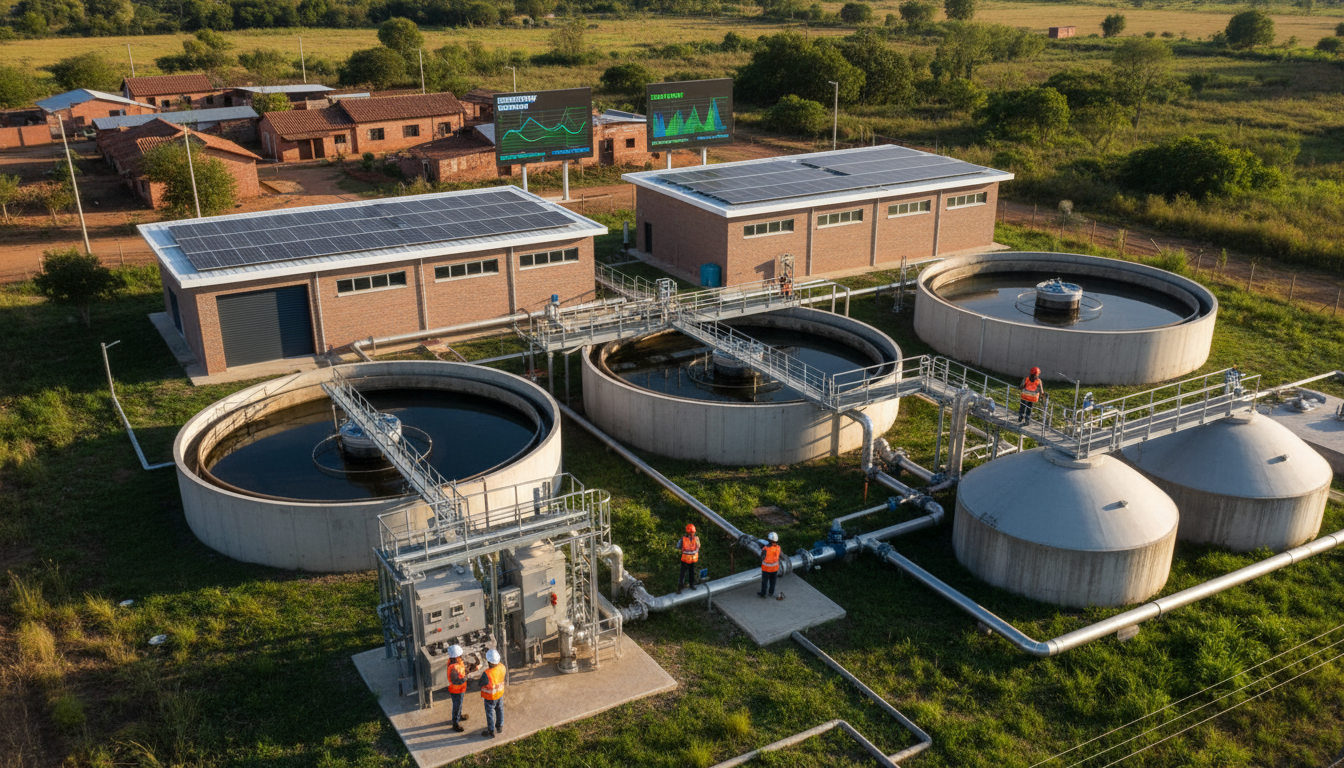
Reducing Sludge Volume and Improving Filter Press Cake Dryness
Sludge handling is frequently the largest hidden cost in textile wastewater treatment. Poor chemical programs create voluminous, gelatinous sludge that dewaters slowly and produces wet filter cakes, driving up disposal costs.
Several strategies reduce sludge burden:
Optimize coagulant dosage, do not overdose. Every kilogram of excess coagulant becomes metal hydroxide sludge. Precise jar testing and, where possible, feedback dosing control based on streaming current or turbidity can cut coagulant consumption significantly.
Consider iron-based chemistry for denser sludge. PFS typically produces denser, more compact sludge than PAC, which settles to a smaller volume and often dewaters more readily on filter presses.
Use the right dewatering polymer. For the sludge dewatering step itself, polymer selection depends on sludge characteristics. Mixed chemical-biological sludge from textile plants may respond to anionic, cationic, or dual polymer programs. A properly selected sludge dewatering polymer can meaningfully improve filter press cake dryness, reducing disposal weight and cost.
Improve floc structure before the press. Strong, well-conditioned flocs release water more readily under pressure. Weak or over-sheared flocs blind filter cloths and trap water in the cake.
Even modest improvements in cake dryness translate to meaningful savings on transport and disposal in Thailand, Vietnam, and Indonesia, where sludge disposal costs continue to rise.
Evaluate Chemicals by Total Treatment Cost, Not Unit Price
The correct way to compare coagulant and flocculant programs is through a complete performance and cost evaluation:
- Color removal: measured against local discharge standards under worst-case production conditions
- COD reduction: consistency across production cycles, not just single samples
- Chemical consumption: actual dosage required for stable compliance, multiplied by real product cost
- Sludge production: volume generated, dewatered cake weight, and disposal cost
- Operational stability: how the program handles load fluctuations without operator intervention
A cheaper coagulant that requires double the dosage, produces watery sludge, and fails compliance during peak dyeing production is far more expensive than its price per ton suggests. Structured jar testing followed by a plant trial provides the data needed for a genuine total-cost comparison.
Request a Coagulation and Sludge Reduction Trial for Your Dyeing Wastewater
Whether you operate a dyeing mill in Thailand, a textile facility in Vietnam, or a fabric processing plant in Indonesia, the right combination of Poly Aluminium Chloride, Polyferric Sulfate, and Anionic Polyacrylamide can deliver stable color removal, reliable COD compliance, and reduced sludge disposal costs.
Contact Oneschem to arrange a laboratory trial for textile wastewater decolorization and sludge reduction. Send your wastewater sample together with information on your dye types, production patterns, and current treatment process, and receive a tailored coagulant and flocculant program with dosing recommendations and a projected total treatment cost comparison.